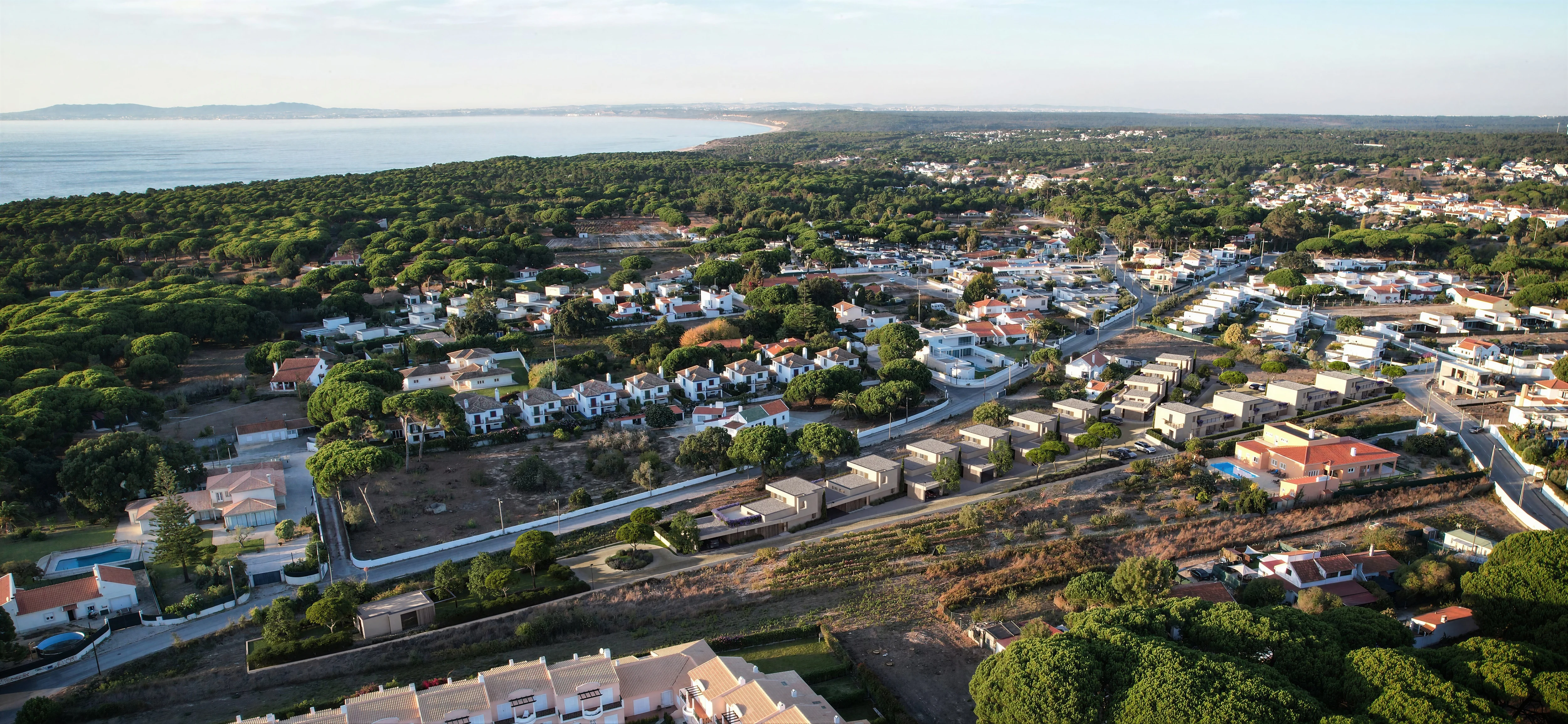
Why landscape design should support both human well-being and the ecosystems surrounding a project.
I'm a firm believer that landscaping, the nature surrounding a place, and even the specific vegetation you choose to plant, cultivate, and maintain can drastically influence how people feel about that space. At the same time, those decisions also shape how that space affects the natural environment around it. I don't mean this in an abstract or esoteric sense. Both of these ideas are well supported by scientific evidence.
On the human side, spending time in natural environments has consistently been shown to improve mood, reduce stress, and contribute to overall psychological well-being. Good landscaping can also have more direct physical benefits by reducing perceived temperatures through shade and evapotranspiration, making outdoor spaces significantly more comfortable to inhabit.
On the ecological side, landscaping decisions should go far beyond aesthetics. If a project's planting strategy is driven solely by visual appeal, without considering the characteristics of the selected species, their relationship with the local ecosystem, whether they are native or invasive, or whether they are actually adapted to the local climate, then an enormous opportunity is being wasted.
To me, these are the two core responsibilities of good landscape design. First, it should actively improve human well-being by creating spaces that people genuinely enjoy spending time in. Second, it should contribute positively to the surrounding ecosystem by supporting local fauna and flora instead of working against them.
When those two objectives are achieved simultaneously, landscaping becomes much more than decoration. It becomes infrastructure for both people and nature. A landscape can be beautiful while also providing habitat, supporting biodiversity, reducing water consumption, and helping regulate local microclimates.
The opposite is equally true. Poor landscaping often feels disconnected from its context. It strips a place of its natural identity, damages existing ecosystems, and frequently relies on species that struggle to survive without constant intervention. Choosing plants that are poorly adapted to the local environment often results in excessive irrigation, ongoing maintenance, and landscapes that are only kept alive through a disproportionate expenditure of resources.
Even from a human perspective, these choices have consequences. A vast lawn with little diversity, surrounded by trees that clearly struggle because they were selected primarily for their appearance or because they happened to fit a budget, rarely feels inviting. It lacks ecological richness, seasonal variation, and the sense that the landscape truly belongs there.
That's why I believe landscape architecture should begin by working with the site rather than against it. Instead of reshaping the terrain to fit a preconceived vision, clearing existing vegetation with herbicides or heavy machinery, and replacing it with an entirely artificial landscape, we should preserve and integrate as much of the existing ecosystem as reasonably possible. Native, endemic, non-invasive species should be the default choice whenever they are appropriate, not the exception.
Doing so doesn't eliminate the environmental impact of construction, but it can meaningfully reduce it. It respects the ecological history of the site while producing places that feel more authentic, more resilient, and ultimately more enjoyable for the people who inhabit them.
To me, that is what good landscaping is. It isn't simply about making a project look attractive, but rather about creating places that improve people's quality of life while leaving the lightest possible footprint on the natural systems that already existed long before the project arrived.