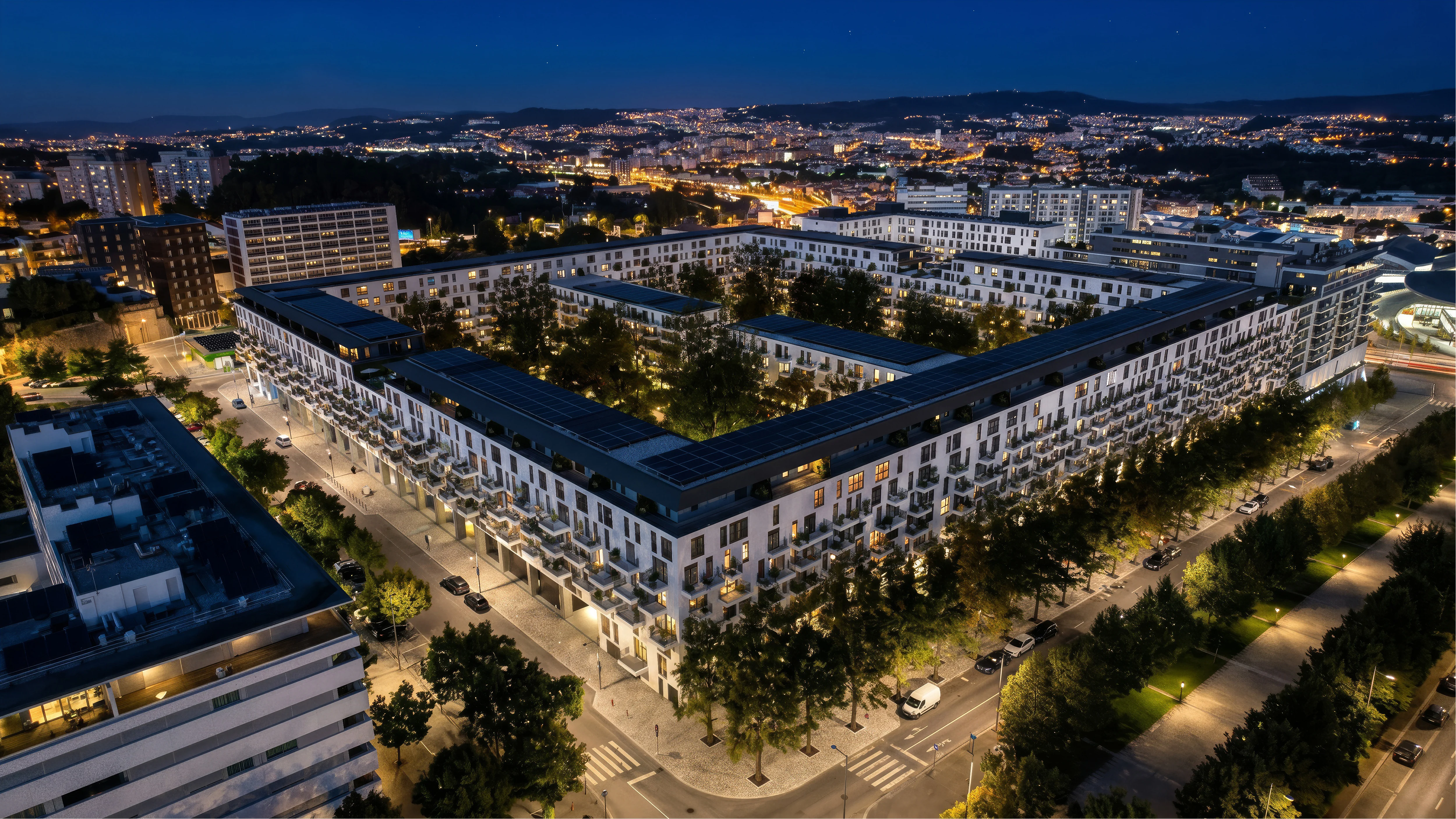
Cinematic architectural films built around pacing, atmosphere, spatial rhythm and carefully planned camera movement.
With film, pacing and camera movement do most of the talking. I plan each one as a sequence rather than a floor-plan tour: where the camera enters a space, how long it lingers, how one shot's motion sets up the next, so the finished piece plays as a single continuous idea instead of a string of renders stitched together with a crossfade.
A lot of architectural video defaults to a slow drone-style drift through empty rooms, and it shows. What actually sells a space is rhythm — knowing when to hold a shot still and let a material or a view do the work, and when to move the camera because the space itself is asking to be walked through. That's a directing decision as much as a technical one, and it changes completely depending on what the project is trying to communicate.
A waterfront hospitality concept and a large residential community don't fit into a single still; each needs its own kind of movement to sell what it's actually about, whether that's an uninterrupted coastal view or the everyday rhythm of a community someone could imagine living in. The camera choreography gets built around that specific selling point rather than applied as a generic template.
Sound design, pacing and length are all part of the brief too. A 15-second social cutdown, a 90-second sales-deck film and a longer brand piece for a website hero are three different edits with three different rhythms, even when they're drawn from the same raw 3D footage.
Films usually share a production pipeline with stills and cinemagraphs from the same project, so the lighting and material language holds together whether the footage ends up in a sales presentation, a website hero, or a short social clip.
For real estate developers, architecture studios and hospitality brands who need cinematic architectural visualization that goes beyond a static image, this is generally the deliverable that carries the most weight in a sales or investment context. A few examples of how that's worked in practice are below.