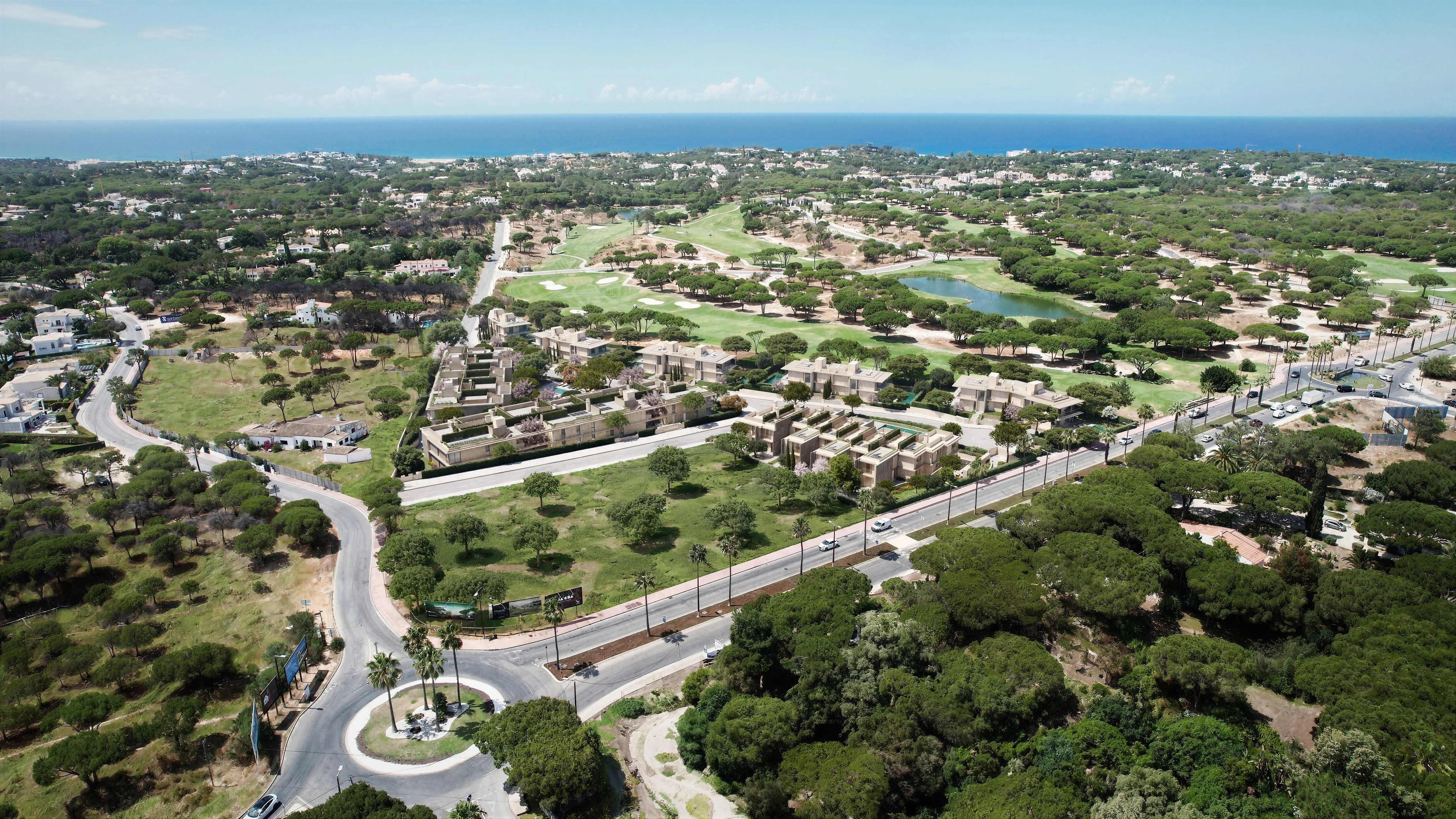
Long-term look development for architecture studios, including material tests, massing and structure studies, landscaping, site integration and surrounding context exploration.
Not every project is a single deliverable handed over and done. Some are an ongoing collaboration, and I stay involved for as long as the design keeps developing: material tests, massing and structure studies, landscaping direction, how a building actually sits within its surrounding context. That work happens with the studio, in the room, rather than getting handed back as one polished set of finished images.
This kind of long-term look development tends to matter most in the earlier, less certain stages of a project, when an architecture studio is still testing whether a material choice, a massing decision or a site strategy actually works before it gets locked into construction documents. A quick, honest visual test at that stage is worth far more than a beautiful final render produced after every real decision has already been made.
It means tracking a design across multiple internal iterations rather than illustrating something already finished, which changes the working relationship considerably. Instead of a single handoff at the end, there's a running back-and-forth: a material swap tested one week, a landscaping direction reconsidered the next, a massing study revisited once a neighboring context shifts.
That kind of visual testing extends naturally to site integration and context studies too — checking how a proposed building actually reads against its surroundings, its neighbors, its landscape, rather than presenting it in visual isolation the way a lot of concept renders default to.
This only really works with real back-and-forth. I'd rather hear that a material choice changed early than find out three renders later that half the work needs to be redone.
For architecture studios and developers who want a visualization partner involved from early design work rather than brought in only at the end for final marketing imagery, this is the service built for that relationship. A few examples of what that's looked like are below.