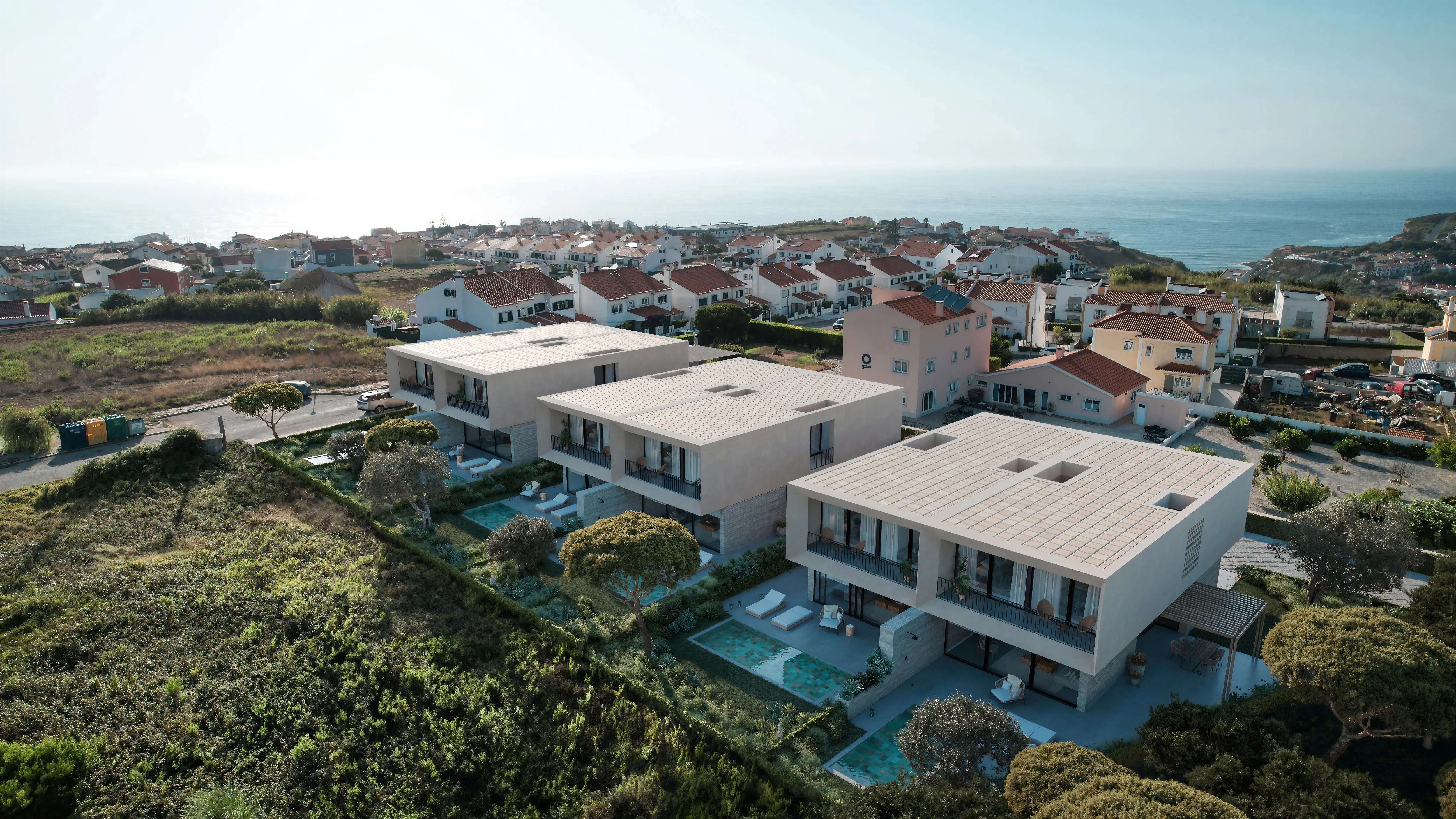
Planning for in-loco photography used in visualization composites, including location mapping, camera position, lens logic, timing and lighting conditions.
When a visualization has to sit convincingly inside a real photograph rather than live inside a fully CG environment, the photography itself needs to be planned around what the composite actually requires. That means the right camera position and lens to match the eventual CG elements, the right time of day so the lighting holds together across both halves of the image, and a clear list of exactly what needs to be captured on location before the shoot even happens.
This is essentially reverse-engineering a photograph from the composite backward, rather than shooting first and hoping the CG work can be bent to fit afterward. Camera height, focal length, perspective distortion and even the position of the sun all get worked out on paper before anyone shows up on site with a camera.
A before/after composite — showing a real, existing site next to a proposed design occupying the same frame — is a good example of why this planning has to happen up front. Real site photography combined with CG additions only reads convincingly if the original photography was planned around the composite from the very start, not adjusted after the fact to try to make mismatched elements fit together.
Lens choice matters more here than people expect. A wide-angle lens exaggerates depth and can distort proportion in ways that make a CG addition look subtly wrong even when every individual element is technically accurate; a longer lens compresses space in a way that's often far easier to composite believably. Getting that decision right before the shoot saves an enormous amount of correction work afterward.
This pairs naturally with the compositing and post-production work that follows the shoot, so planning, capture and the final image stay one continuous process rather than getting handed off between disconnected teams who never talk to each other about what the other actually needs.
For construction teams, developers or agencies who need a convincing before/after case built from real site photography, this is the groundwork that makes the final composite believable rather than obviously assembled. A related example is below.